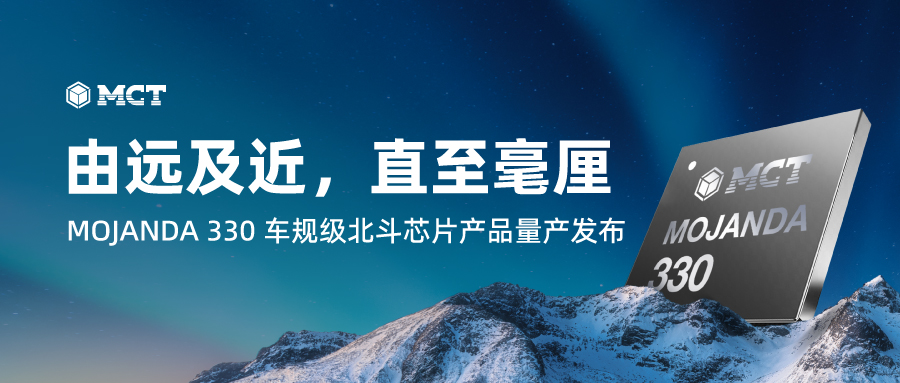
From Afar to the Millimeter: MOJANDA 330 Automotive-Grade BeiDou Chip Mass Production Launch
January 26, 2026 | Changzhou
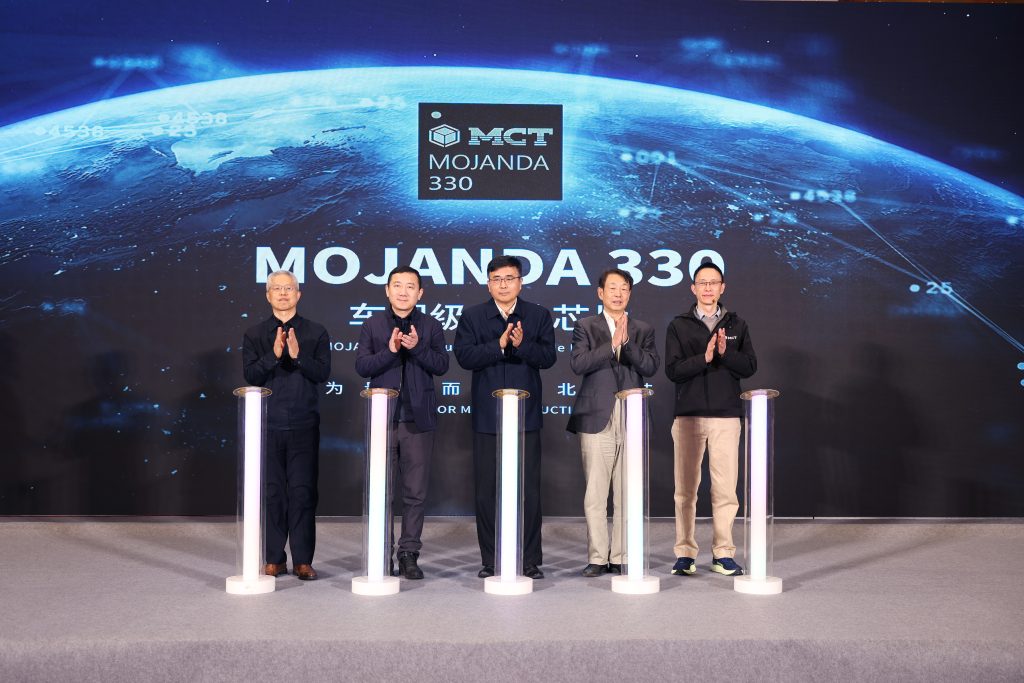
At the Jiangsu Province BeiDou Chip and Terminal Enterprise Matchmaking Summit and Changzhou “Hundred Events, Thousand Enterprises” Industrial Chain Integration and Strengthening Matchmaking Activity — BeiDou Industry Special Session, MCT officially launched MOJANDA 330, an automotive-grade BeiDou tri-frequency high-precision positioning chip. Representatives from government policy, scientific research, industry organizations, and frontline applications gathered at the launch to witness this significant milestone in the engineering and large-scale deployment of core BeiDou components.
As a provincial industry forum bringing together policy makers, researchers, industry stakeholders, and application practitioners, the conference centered on in-depth discussions around breakthroughs in key BeiDou technologies, the development of engineering capabilities for core components, and the large-scale deployment of priority application scenarios — serving as an important platform for advancing coordinated development of the BeiDou industry chain at the Jiangsu provincial level. MCT was deeply involved in the organization and execution of this event, working alongside multiple industry chain partners to facilitate exchanges and drive concrete outcomes around the engineering and system-level application of core BeiDou components. The launch of MOJANDA 330 represents a significant achievement realized within this context of industry collaboration.
Consensus First, Then Practice
Engineering Capability Emerges as a Shared Priority for BeiDou Applications
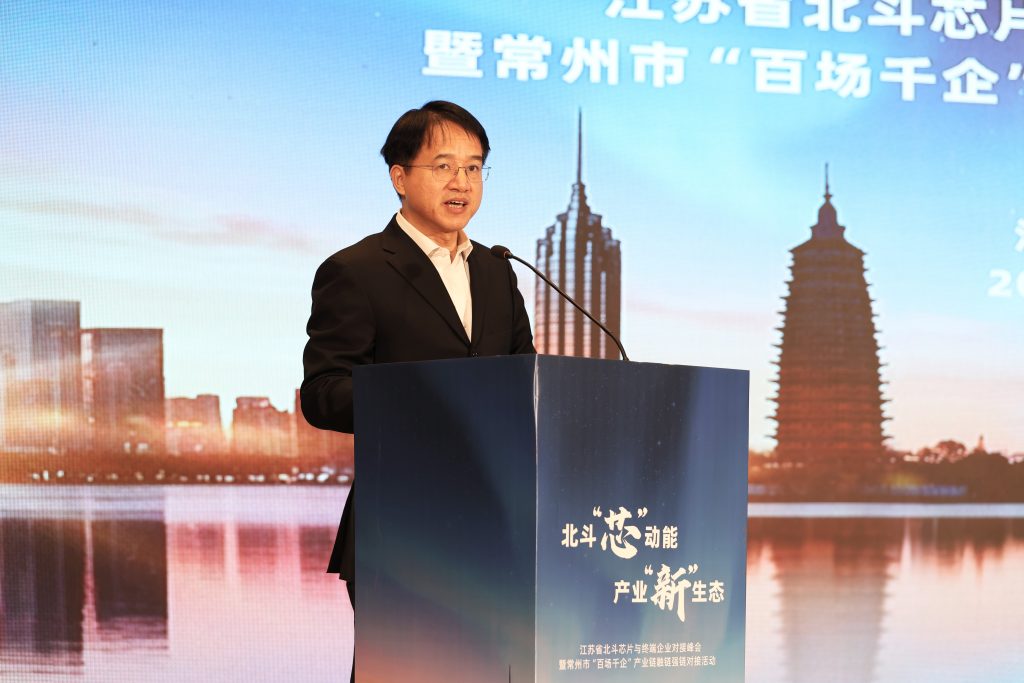
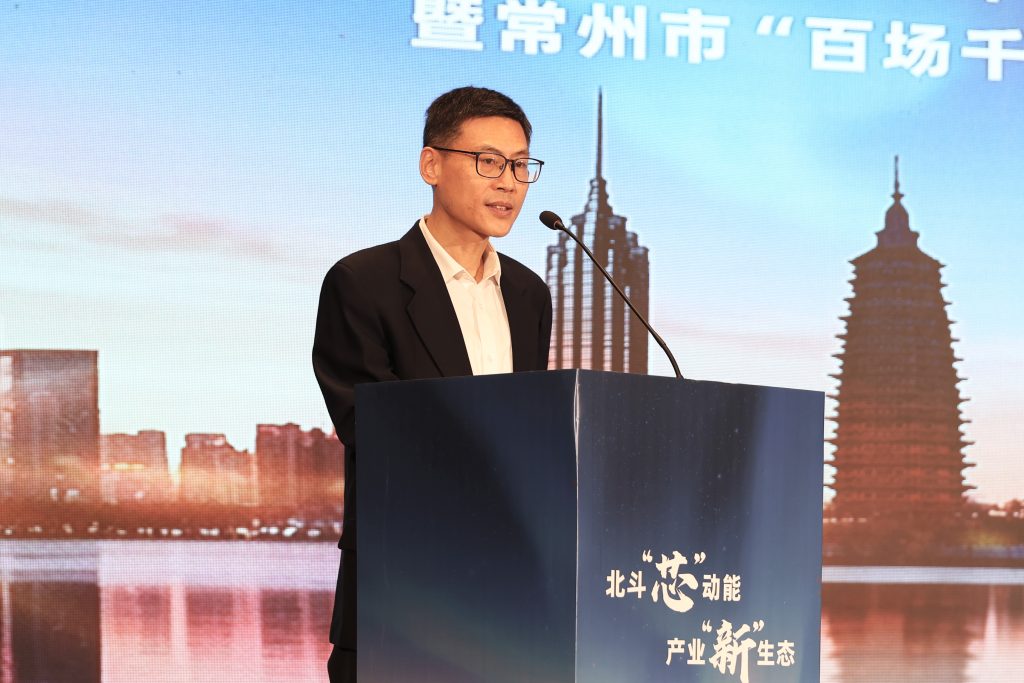
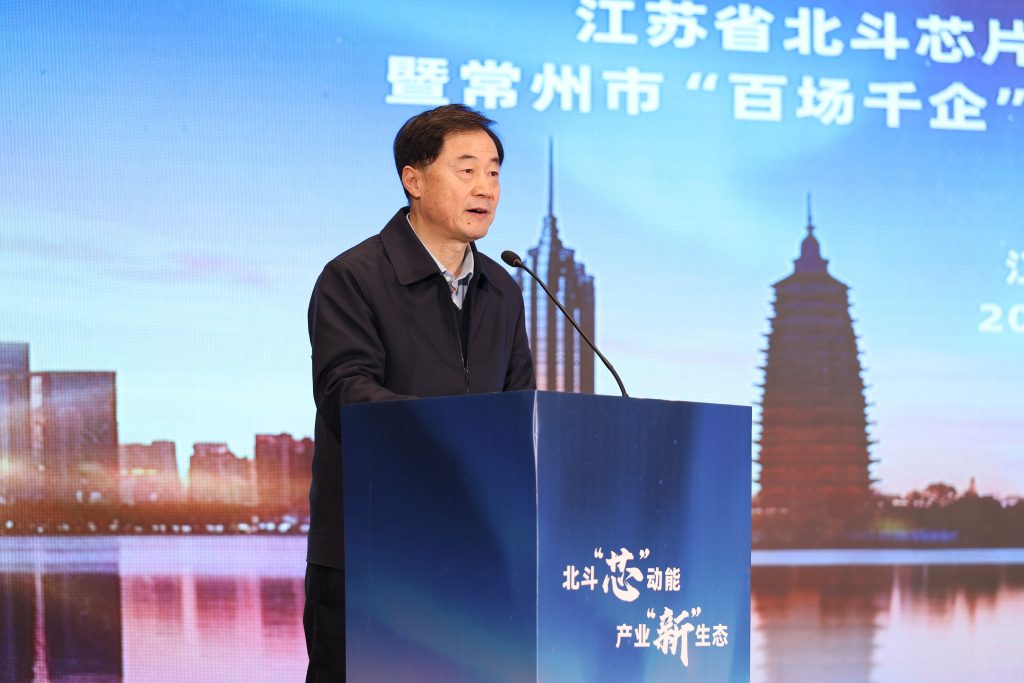
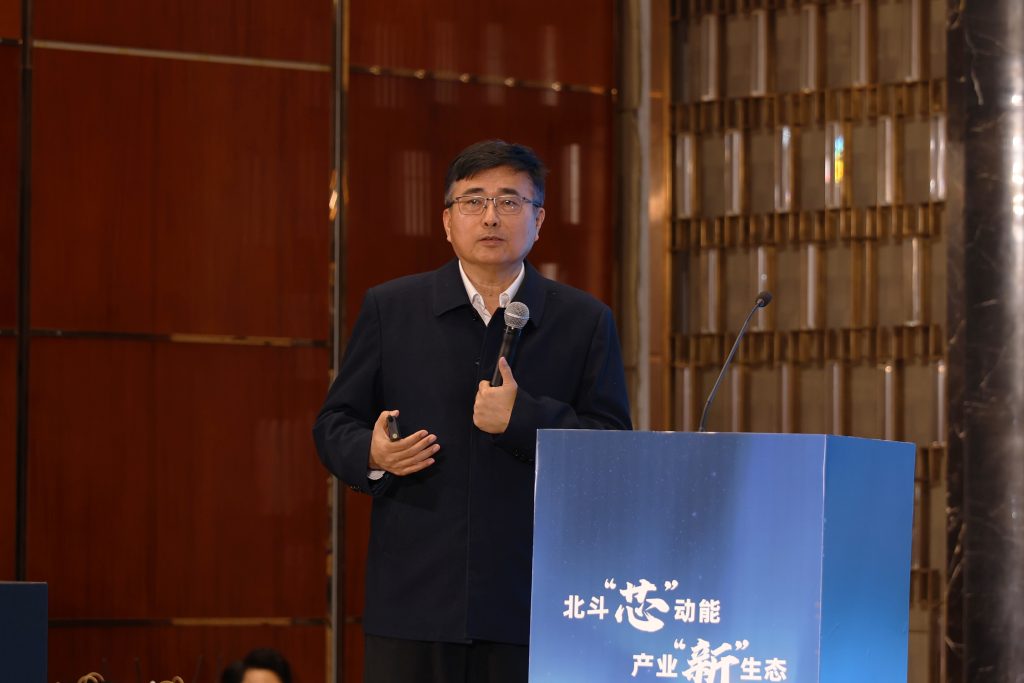
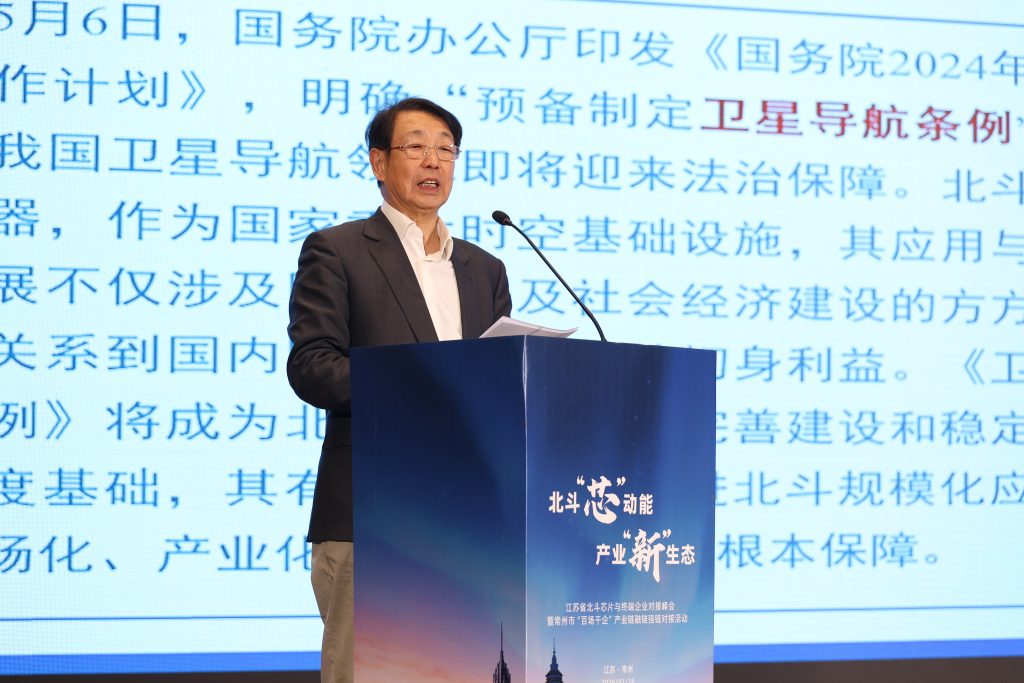
Throughout the conference, representatives from academia, industry, and frontline application teams offered systematic perspectives on the development trajectory of the BeiDou industry from a variety of angles.
Wu Hanming, Academician of the Chinese Academy of Engineering and Director of the School of Information Science and Technology, Zhejiang University, spoke from the perspective of integrated circuit industry development, noting that competition in core chip capabilities for complex application environments has shifted from single performance metrics to a comprehensive capability system that is deployable, verifiable, and continuously evolvable in real-world engineering contexts. Wu Yirong, Academician of the Chinese Academy of Sciences and Academic President of the Aerospace Information Research Institute, CAS, drawing on practical experience in aerospace information systems development, emphasized the importance of providing BeiDou PPP-RTK wide-area high-precision navigation augmentation information via domestic communications satellites — completely eliminating dependence on terrestrial mobile internet for precise BeiDou timing and positioning applications — with broad prospects in autonomous agricultural machinery, atmospheric sounding, and low-altitude aviation. Yu Xiancheng, President of the China Satellite Navigation and Positioning Association, highlighted in his industry development address that BeiDou applications are rapidly deepening into intelligent driving, high-end equipment, and unmanned systems, placing greater demands on the engineering maturity of core components.
On the application side, companies including Li Auto, Neolix (Yancheng) Intelligent Manufacturing Co., Ltd., and Qianlima Technology Co., Ltd. shared hands-on experience deploying BeiDou technology at scale in real-world scenarios spanning intelligent driving, unmanned systems, and construction machinery. The East China Branch of the China Electronics Standardization Institute (CESI) under MIIT provided a systematic overview of the foundational conditions required to support the engineering deployment of BeiDou applications, from the perspectives of testing, certification, and quality system development.
From Afar to the Millimeter
MOJANDA 330 — An Automotive-Grade BeiDou Chip Built for Mass Production
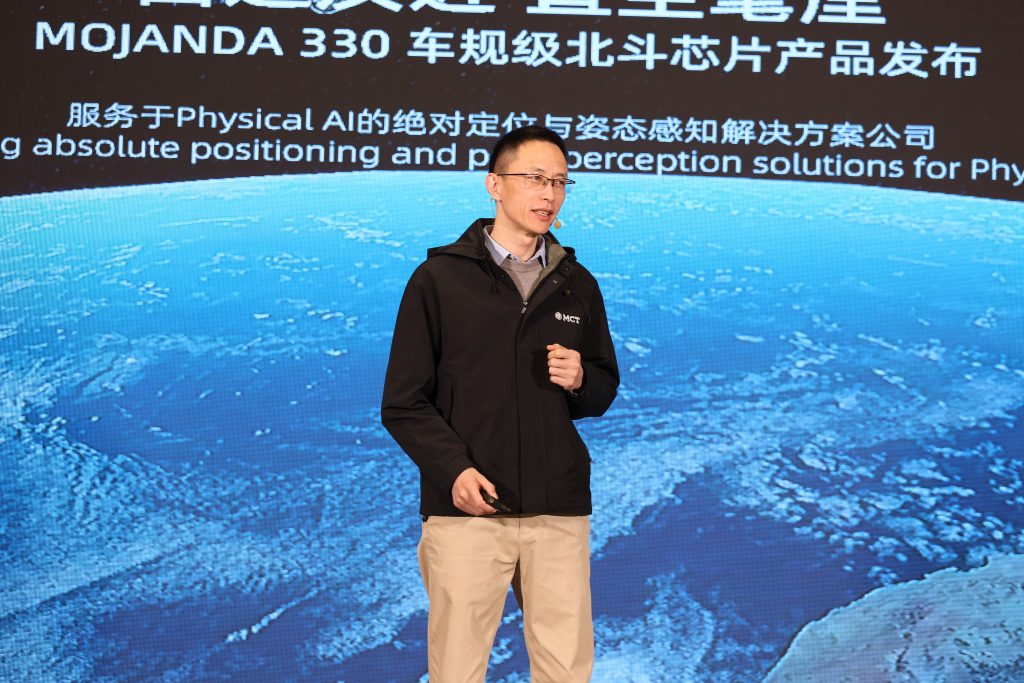
At the conference, Li Ke, Chairman and CEO of MCT, officially launched the automotive-grade BeiDou chip MOJANDA 330.
Li Ke stated that the launch of MOJANDA 330 is not a technology showcase aimed at visibility, but rather a milestone release by MCT following the completion of thorough engineering validation and the achievement of mass production readiness.
As MCT’s first BeiDou chip product, MOJANDA 330 has been deeply involved in engineering validation within automotive-grade application scenarios since its development phase, with design-win validation completed. Volume production ramp-up is currently proceeding according to plan.
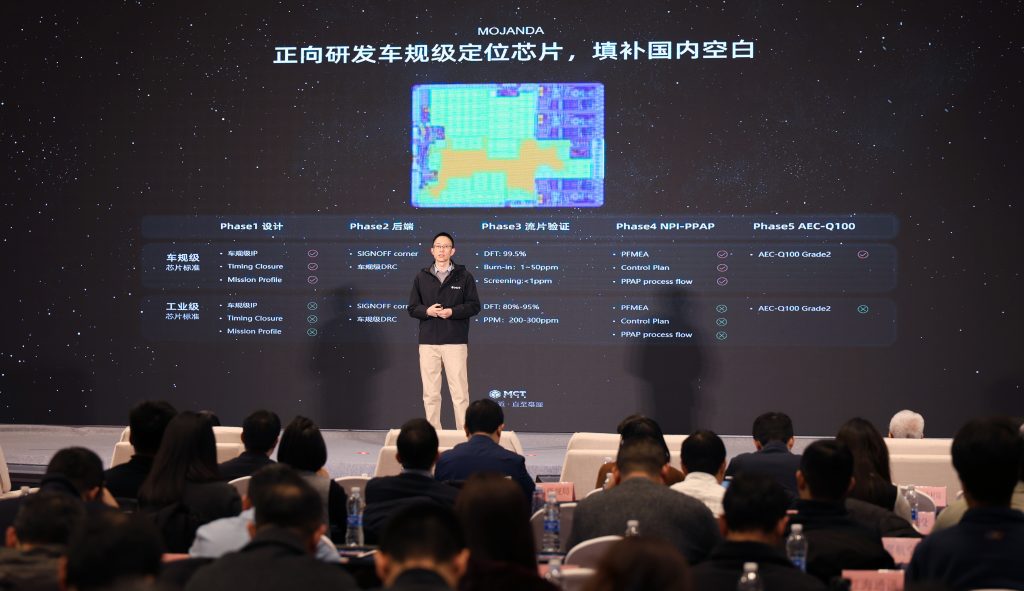
Throughout this process, MCT systematically integrated the automotive-grade mass production experience accumulated through the SUMACO IMU product series and the system-level engineering insights built up through the proprietary multi-source fusion algorithm platform REVENTADOR with real-world validation results from MOJANDA 330, enabling these learnings to feed back into chip architecture decisions and engineering trade-offs. This approach ensured that MOJANDA 330 achieved the stability and maturity required for large-scale deployment well before its official launch.
MOJANDA 330 is built on a fully proprietary MCT architecture, comprehensively optimized across compute capacity, system stability, and engineering adaptability to deliver sufficient processing power for complex positioning and multi-source fusion algorithms. The chip is paired with a proprietary positioning algorithm suite that has been continuously refined on key metrics such as fix rate and positioning accuracy, meeting the demands of long-term operation in real-world mass production environments.
On the reliability front, MOJANDA 330 has achieved AEC-Q100 automotive-grade certification and is designed for demanding application environments, providing a critical foundation for the large-scale deployment of BeiDou technology in intelligent driving and other high-reliability scenarios.
More Than a Chip
The RMS System-Level Capability Matrix on Full Display
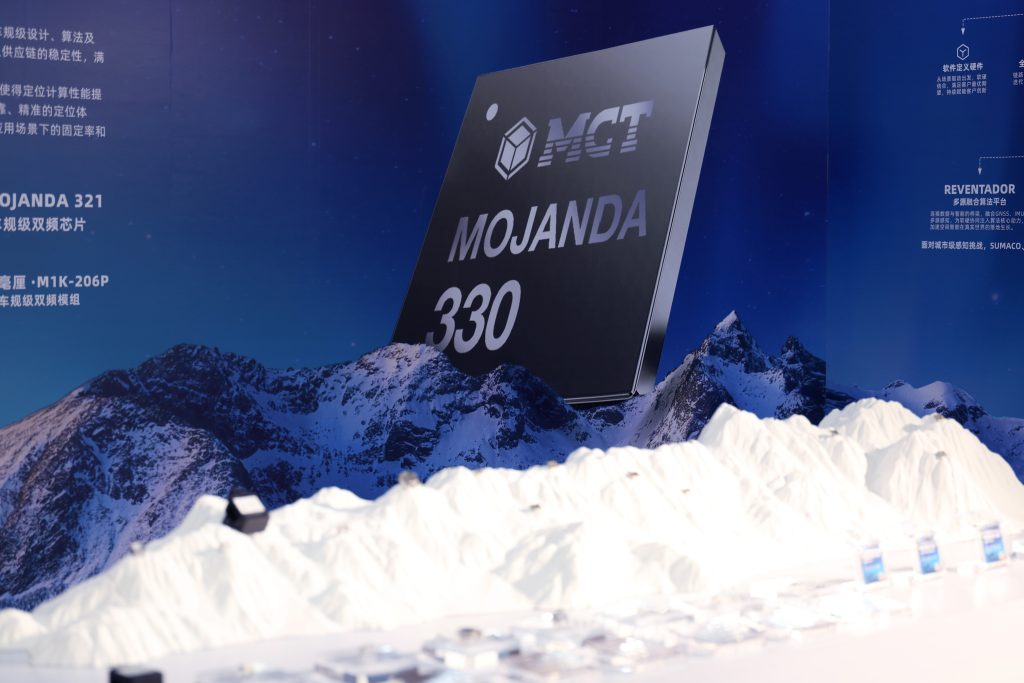
In addition to MOJANDA 330, MCT also presented its complete product and technology portfolio for the first time at this event, comprising:
- Multiple BeiDou chip products including MOJANDA 320 and MOJANDA 321;
- The MOJANDA GNSS module series, covering multiple application tiers;
- The SUMACO IMU product series, designed for high-reliability attitude sensing applications;
- And the proprietary multi-source fusion algorithm platform, REVENTADOR.
Together, these BeiDou chips, GNSS modules, IMU products, and proprietary algorithm capabilities form MCT’s RMS product portfolio matrix. Built on the core philosophy of “data-driven, hardware-software integration,” the matrix unifies chip-level capability, component-level sensing, and system-level algorithms through co-design and collaborative optimization. What MCT delivers to customers is a complete integrated navigation system solution for vehicle and complex equipment applications — not individual components or standalone modules.
Through the coordinated integration of its system-level architecture, RMS is better positioned to support demanding applications such as intelligent driving that require exceptional stability and reliability, providing a technically sound, production-ready, and continuously evolvable foundation for large-scale deployment.
Collaborative Mechanisms Take Shape
BeiDou Chip Collaborative Innovation Laboratory Inaugurated
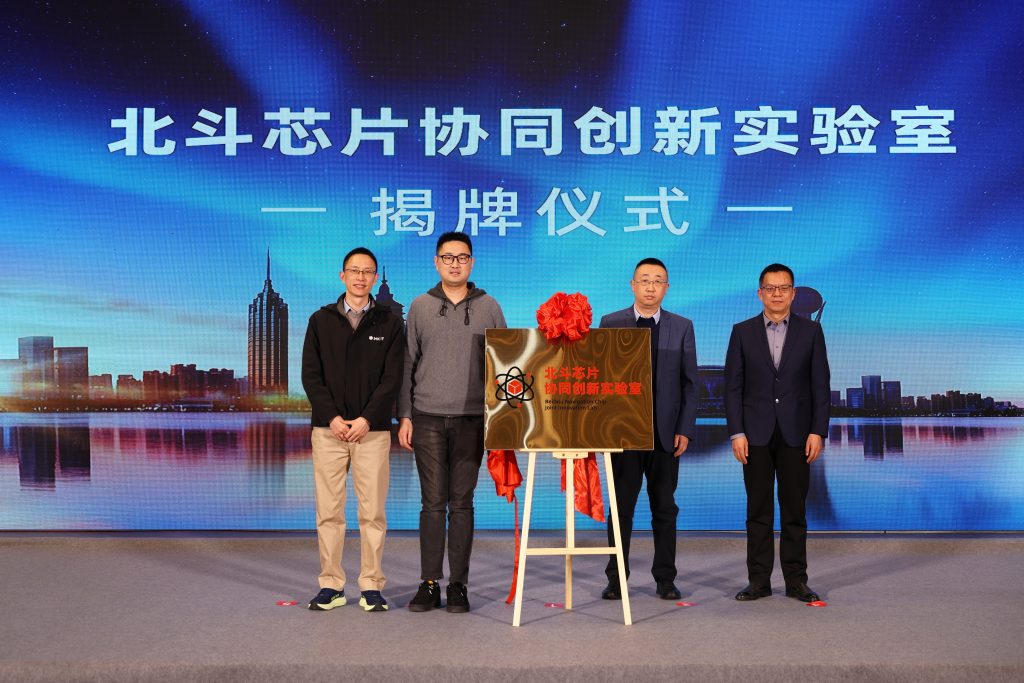
During the event, the “BeiDou Chip Collaborative Innovation Laboratory” was officially inaugurated. The laboratory was jointly established by MCT in partnership with the School of Integrated Circuits at Zhejiang University, the School of Microelectronics at Changzhou University, and the East China Branch of the China Electronics Standardization Institute (CESI) under MIIT, among other institutions. It is designed to build a long-term, stable collaborative framework centered on key technology research for BeiDou chips, engineering validation, testing and evaluation, and industry-collaborative innovation.
The laboratory will be driven by real-world engineering challenges, bridging the critical gaps between university-based fundamental research, institutional engineering validation, and enterprise-level productization — accelerating the translation of research outcomes into production-ready products. It will also serve as an important vehicle for cultivating engineering talent in the BeiDou chip domain, leveraging joint research projects, engineering practice programs, and industry mentor initiatives to nurture high-caliber technical talent within genuine engineering environments, progressively building a talent pipeline that spans R&D, validation, and commercialization.
The establishment of this laboratory lays a robust institutional foundation for Jiangsu Province’s BeiDou industry in terms of building engineering capabilities for core components, ensuring the generational continuity of technical knowledge, and sustaining the cultivation of advanced engineering talent — enabling long-term collaboration and continuous evolution.
Looking Ahead
Contributing System-Level Capabilities to Build the Industry Together
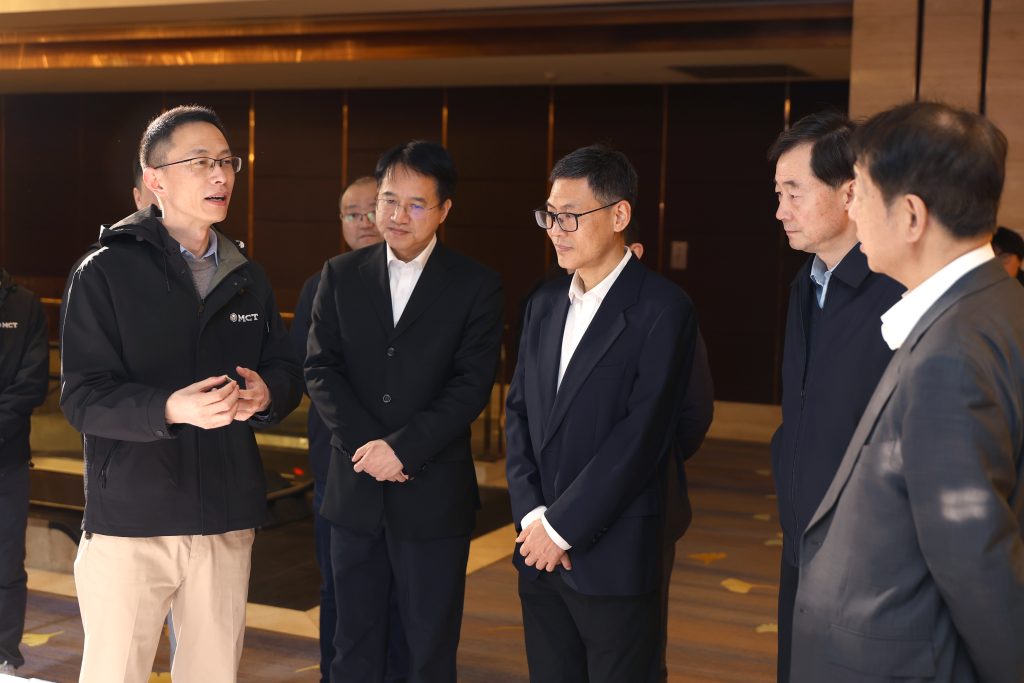
MCT stated that it will continue to deepen its technology development and engineering practice in the areas of automotive-grade BeiDou chips and integrated navigation systems, within the broader context of provincial industry collaboration. Working alongside upstream and downstream partners across the industry chain, MCT is committed to driving the engineering deployment and large-scale adoption of core BeiDou technologies in high-reliability applications such as intelligent driving and unmanned systems — while progressively expanding into more demanding and complex domains, including commercial aerospace and the convergence of satellite communications and navigation.