Embodied AI
Robots don't need a simplified version of automotive sensing. They need a new foundation — natively designed for physical interaction.
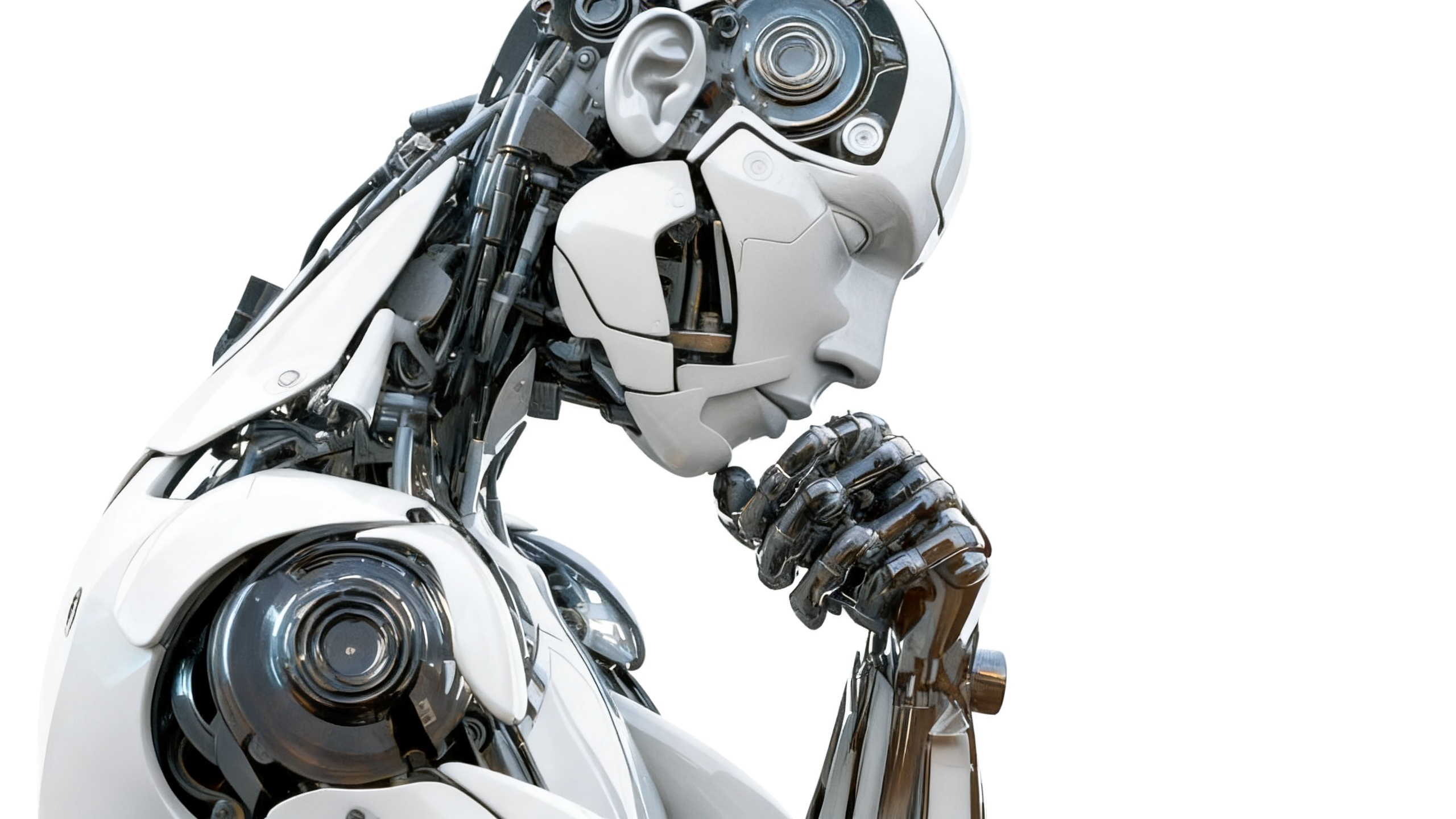
Today's robots are assembled from other people's parts
At CES 2026, humanoid robots stunned the crowd. They ran on consumer-electronics chips, sensors borrowed from the automotive supply chain, and simulation platforms ported from autonomous driving. This is not an engineering problem — it is a starting-point problem.
A robot's operating space is the full three-dimensional world, not a road ahead. Autonomous driving needs to see as far as possible; a robot needs to perceive the environment right in front of it, the object in its hand, and the force it is applying. These are two completely different philosophies of physical interaction.
Parts that were merely repurposed will never get robots into ordinary homes.
“A robot can dance — but it can't pick up a set of keys.”
What MCT provides for Embodied AI
Not a product catalog — a complete capability foundation natively designed for physical interaction
High-precision positioning and attitude sensing designed for robots operating in full three-dimensional space. Supports multi-sensor distributed deployment, maintaining system-level accuracy in dynamic, occluded, and complex environments.
Collect data from the real physical world, align and annotate it by timestamp, feed it back into the simulation platform, and continuously calibrate the model. This is MCT's methodology validated in autonomous driving — now natively migrated to embodied scenarios.
ASIL-D functional safety rating, full-temperature range certification (−40°C to 85°C), and bias stability at the top of the automotive grade. When robots enter industrial and home environments, reliability is non-negotiable.
Products designed for Embodied AI
The following products have been specifically optimized for embodied AI application scenarios. Detailed specifications are available in the datasheet.
Positioning & Navigation
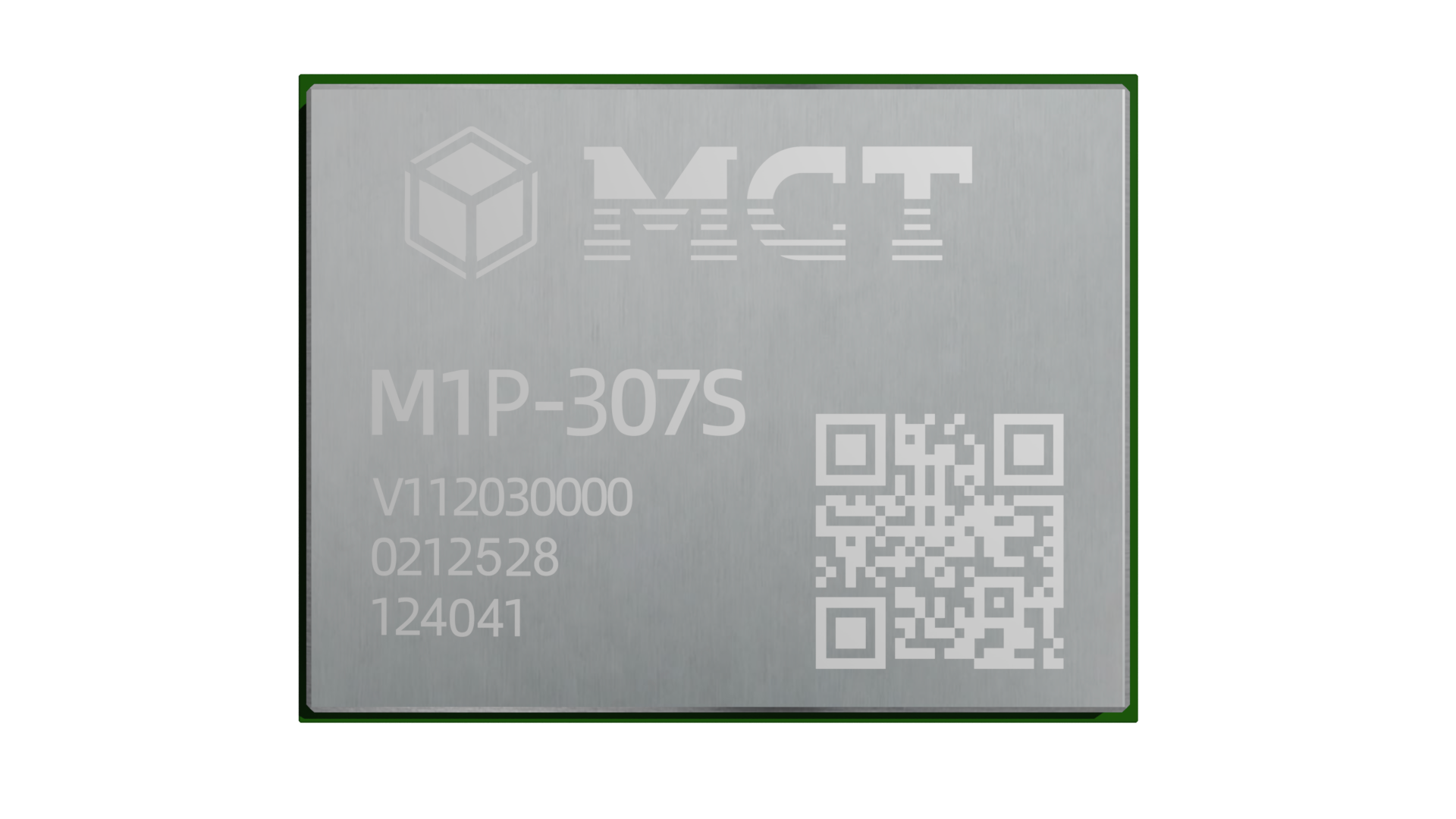
M1P-307S · Tri-band RTK Positioning Module for Robots
Every step a robot takes generates impact vibration. Conventional GNSS modules frequently lose fix in gait scenarios. The M1P-307S is specifically optimized for gait impact, integrating carrier-phase pre-filtering and cycle-slip detection to maintain continuous and valid positioning through running and jumping.
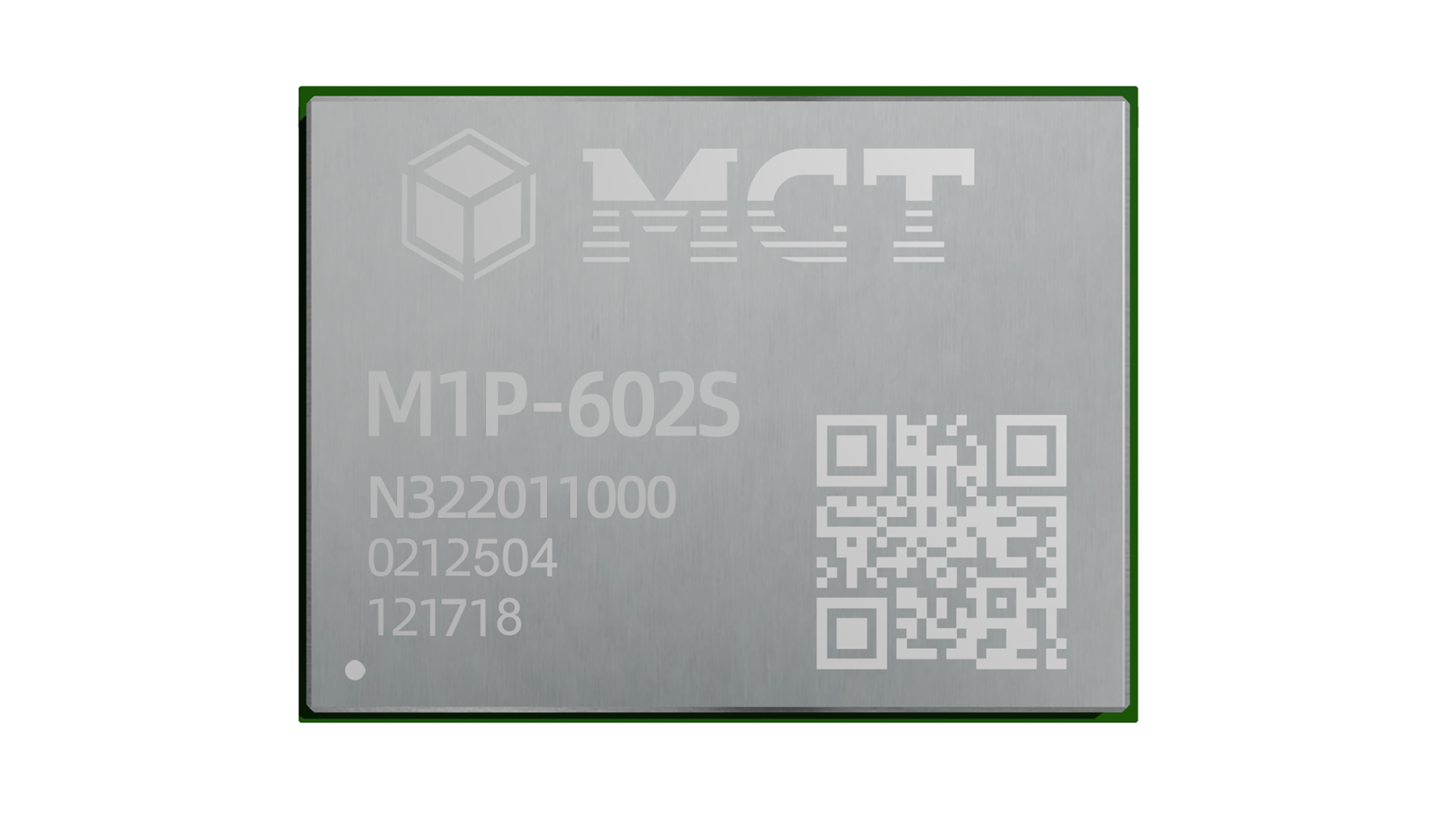
M1P-602S · Dual-Antenna RTK Heading Module for Robots
Positioning tells the robot 'where it is'; heading tells the robot 'which way it faces.' The M1P-602S delivers high-precision heading at an ultra-short baseline (30–40 cm), purpose-built for large quadrupeds and humanoid robots — no external compass needed, heading output is immediately usable.
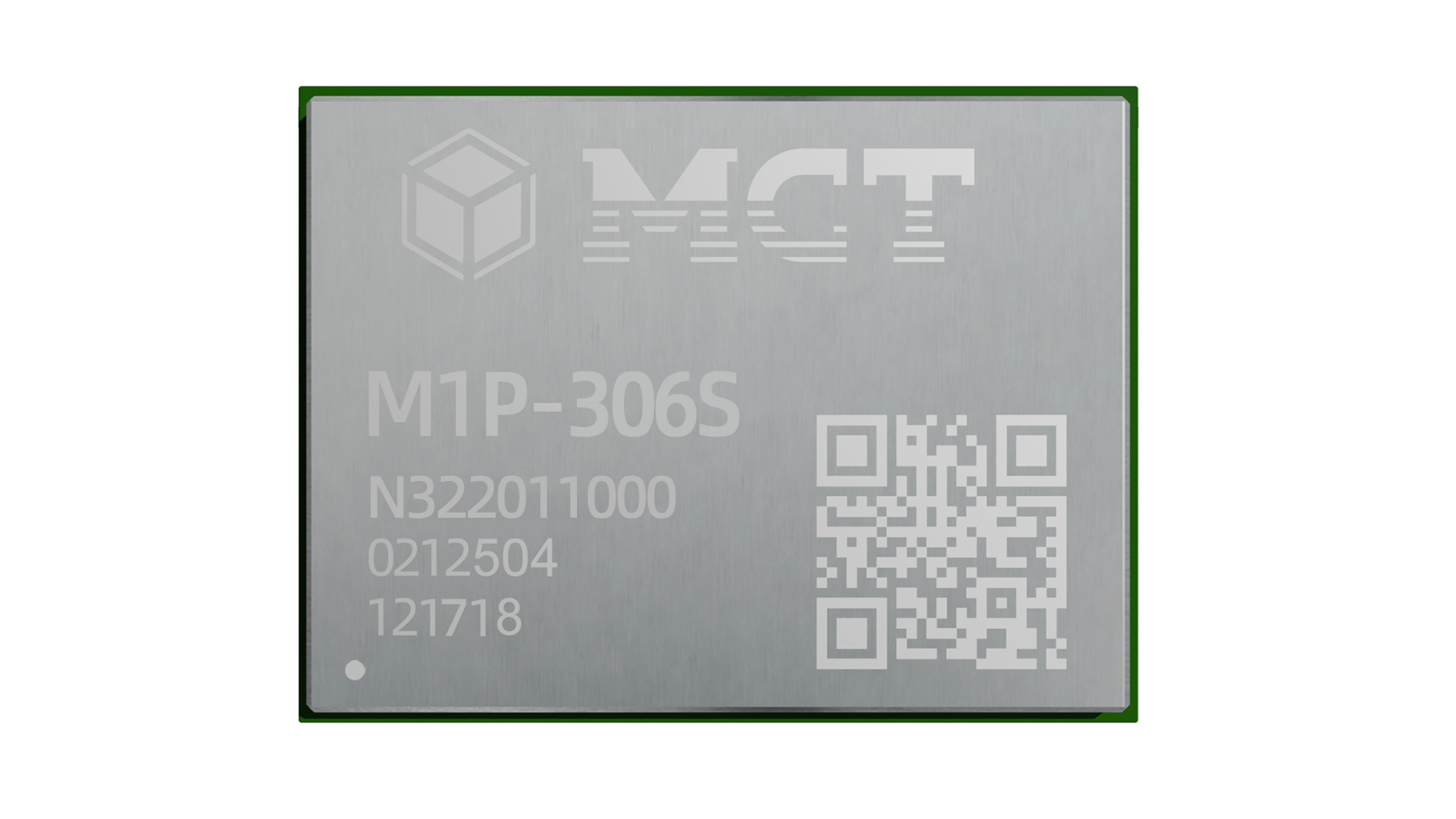
M1P-306S · Tri-band RTK Positioning Module for Robots (Compact)
Small robots with size constraints still need RTK precision. The M1P-306S delivers the same level of positioning capability as the M1P-307S in a 12×16 mm package — the preferred choice for space-constrained robot platforms.
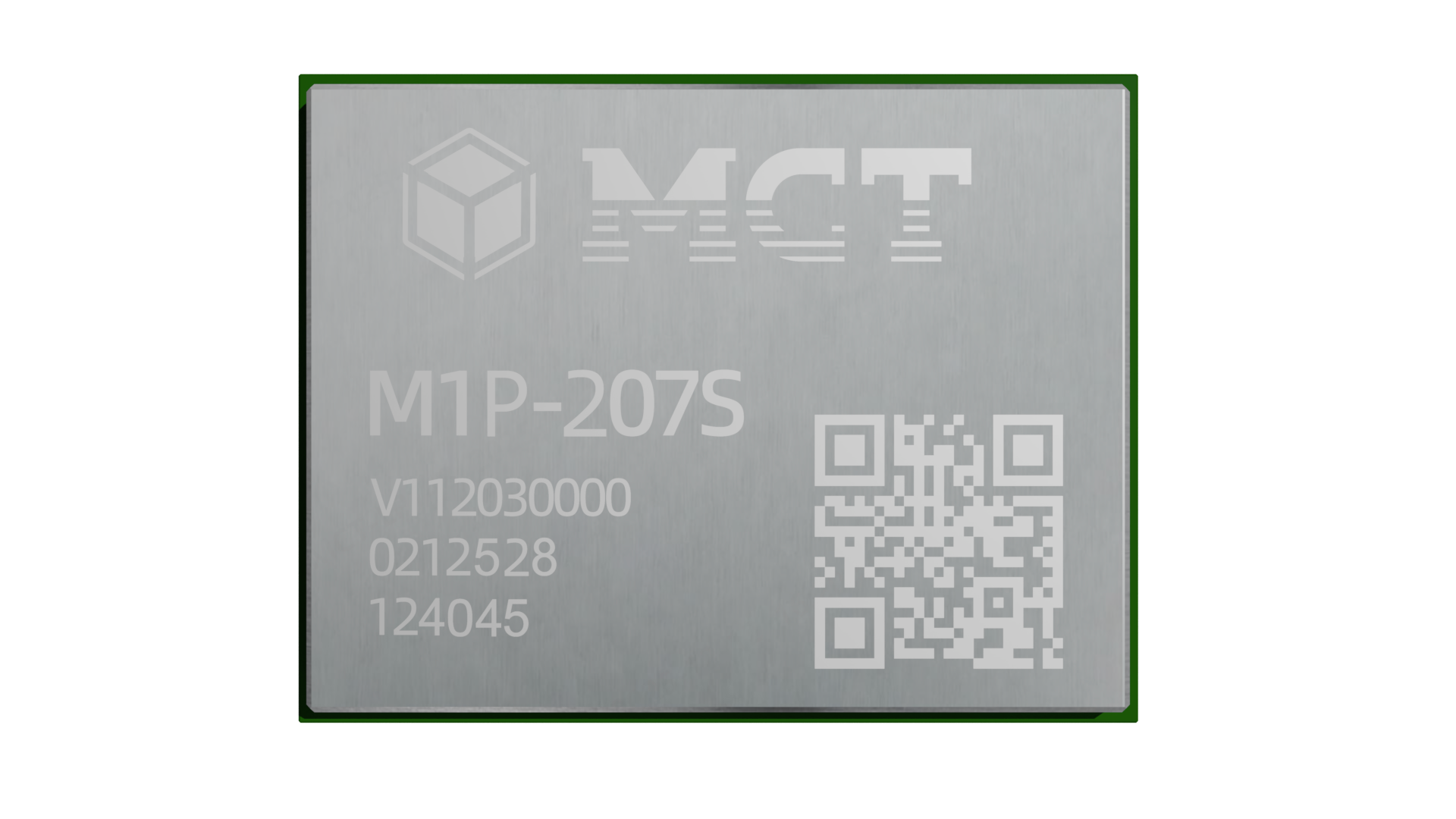
M1P-207S · Dual-band RTK Positioning Module for Robots
The standard solution for cost-sensitive platforms that still require centimeter-level precision. Dual-band full-constellation coverage meets mainstream embodied AI positioning needs with a fast integration path.
Attitude Sensing
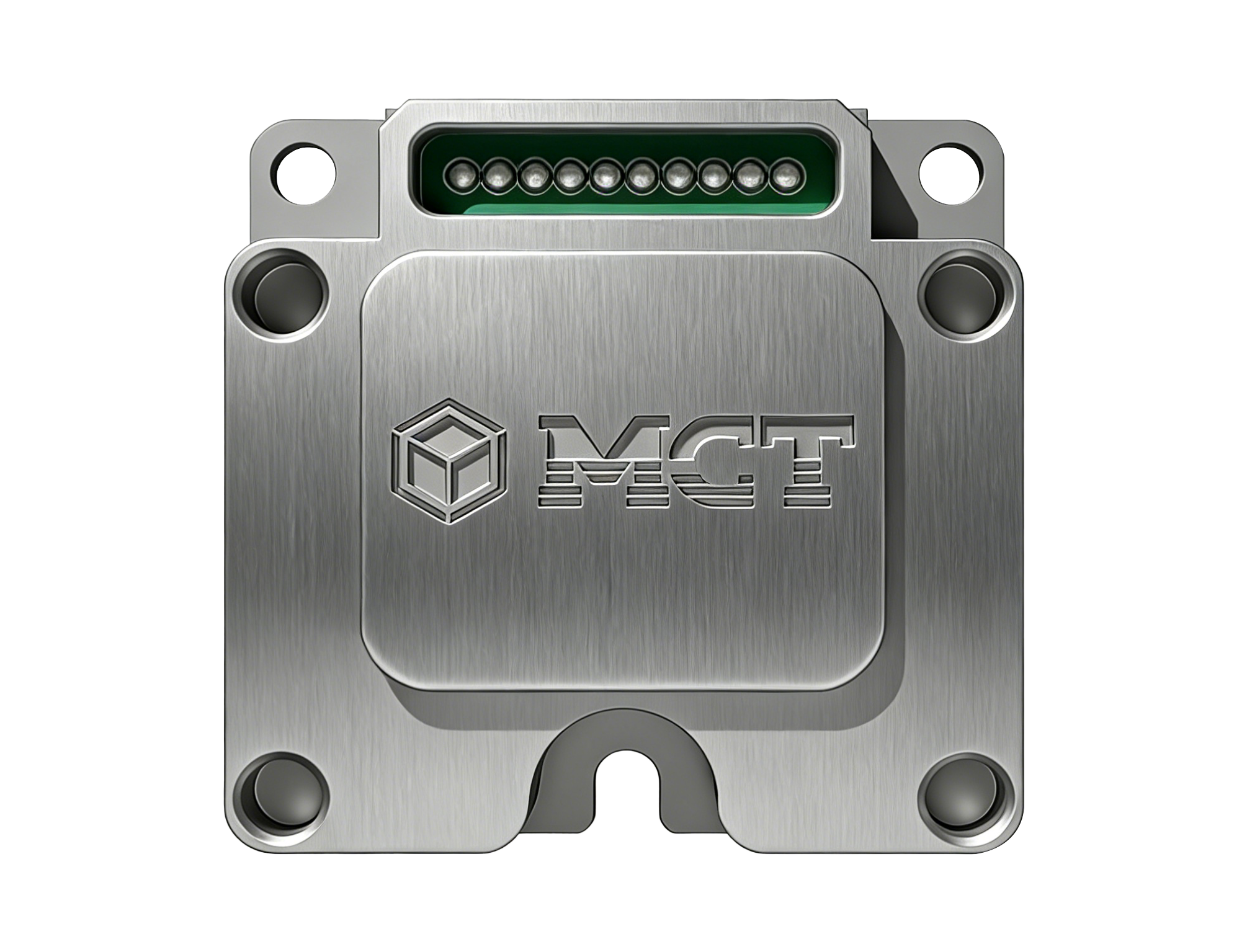
SUMACO MD Series · High-Precision Attitude & Heading Reference Module (AHRS)
A robot's joints, limbs, and torso must know their orientation in real time. The MD series outputs complete three-axis attitude (Roll / Pitch / Yaw), providing the inertial reference for full-body proprioceptive state awareness. Three variants (MD7123 / MD8193 / MD4123) cover different performance tiers and integration form factors.
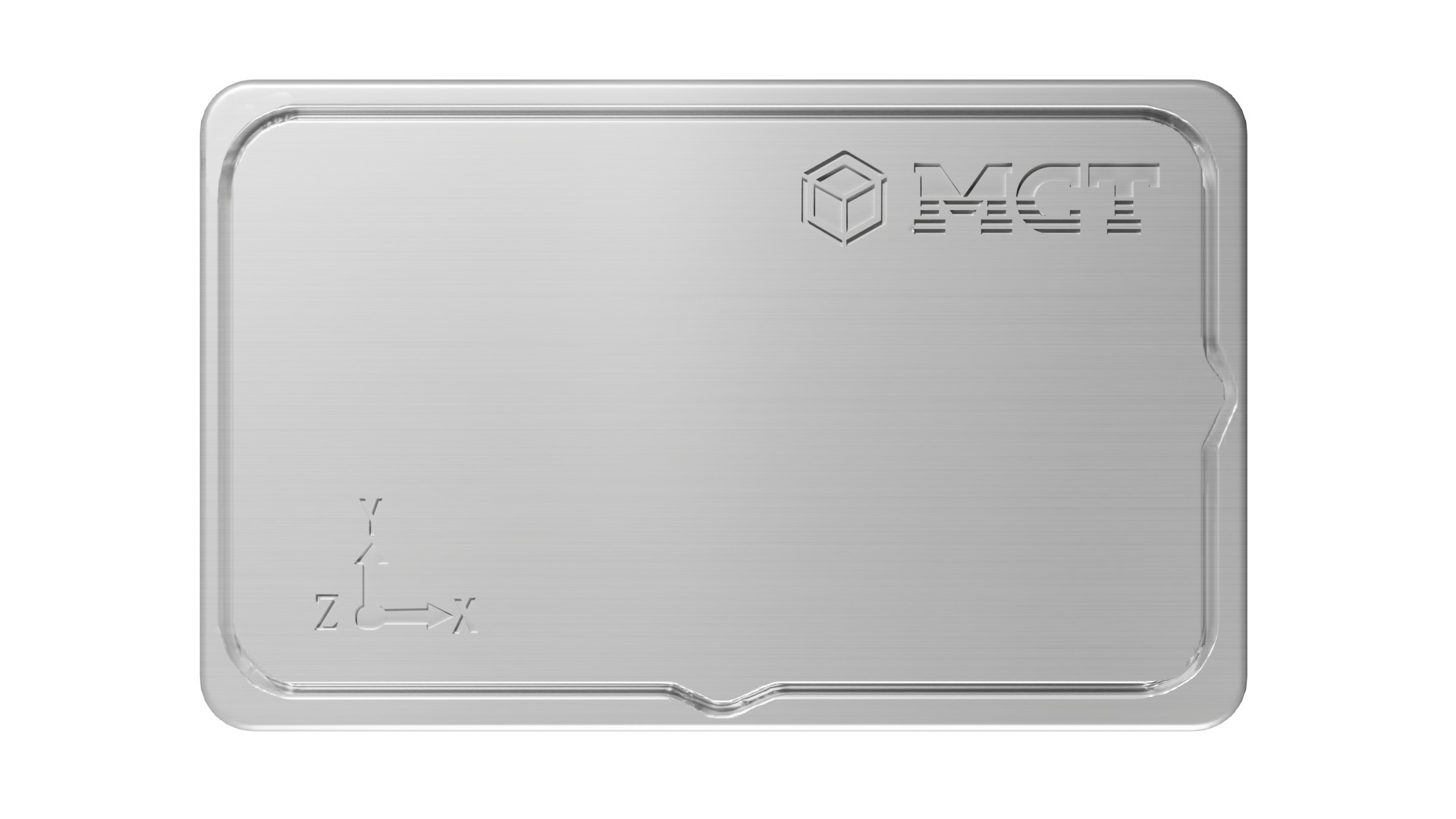
SUMACO MT Series · Vertical Reference Unit (VRU)
When a scenario primarily requires tilt and vertical reference with lower demand for full heading precision, the MT series covers this need at a lower cost. Three variants (MT2063 / MT2013 / MT6063) adapt to different integration scenarios.
Algorithm Fusion
REVENTADOR · Multi-Source Fusion Algorithm
Fusing GNSS positioning, IMU attitude, visual, and force-control data into a pose output that robots can use directly — this is the hardest step in the entire stack, and the core capability MCT has already validated in autonomous driving scenarios. Adapted for mainstream hardware platforms, ready for direct engineering integration with significantly shorter project cycles.
Developer Evaluation Kit
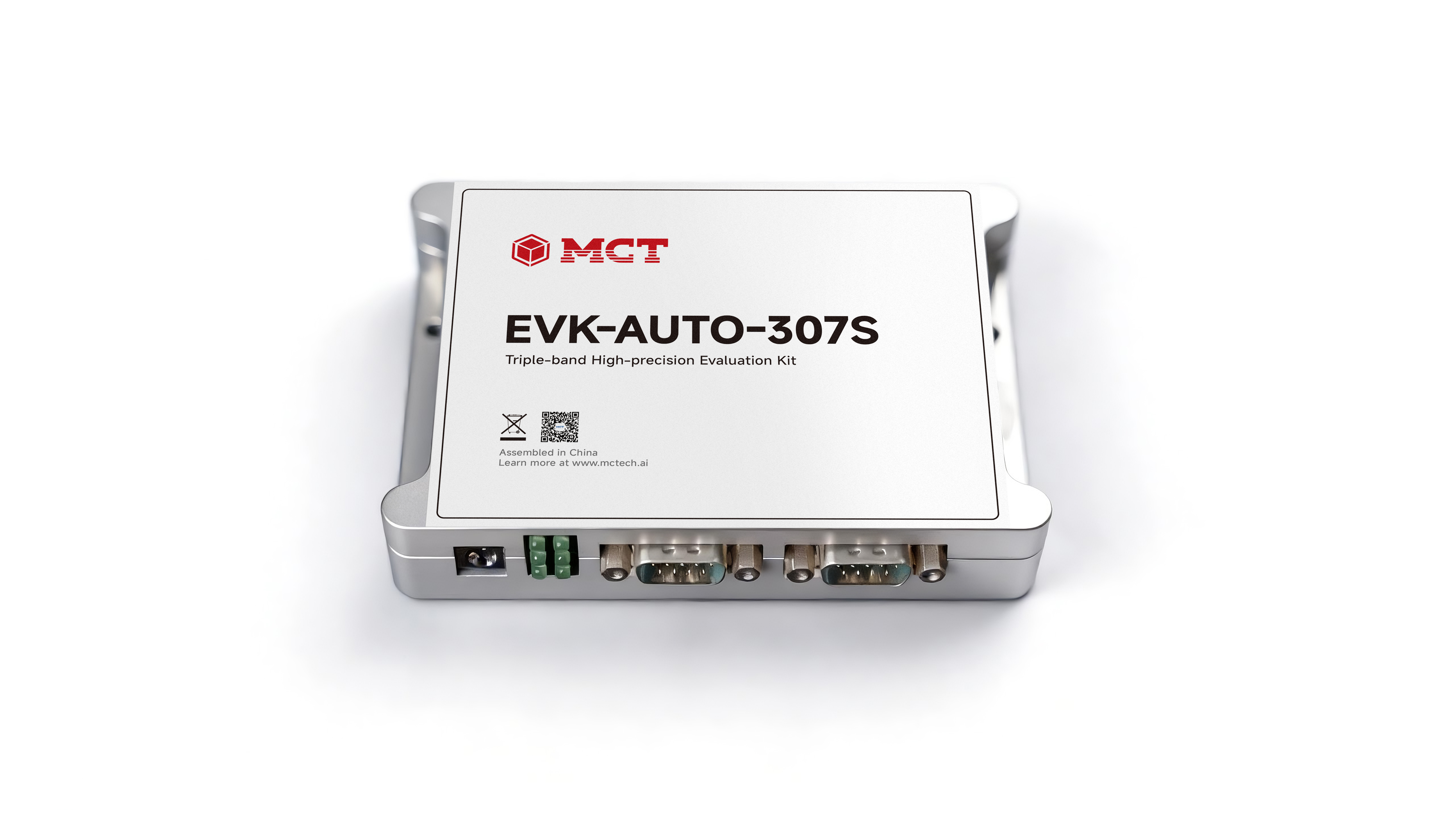
M1K EVK AUTO
Adds centimeter-level positioning to embodied robots. Stable across high-dynamics, indoor-outdoor transitions, and multipath-heavy environments. 45-second setup. Open documentation. Ready for prototype to production.
Download the datasheet for full specifications, or contact us for product selection guidance.
Looking for the first deep co-builders in Embodied AI
MCT is building the data foundation for Physical AI — high-precision full-body motion data, multi-sensor time-synchronized alignment, and real physical world feedback continuously flowing back. Once this flywheel spins up, early co-builders' data accumulation will form an irreplicable first-mover advantage. We are looking for partners who want to define the standard, not followers who enter after the standard is set.