Low-Altitude Economy & Satellite Internet
Precise navigation and attitude sensing for aerial vehicles shares the same DNA as ground-based systems. MCT extends automotive-grade certified capabilities from the ground into the sky.
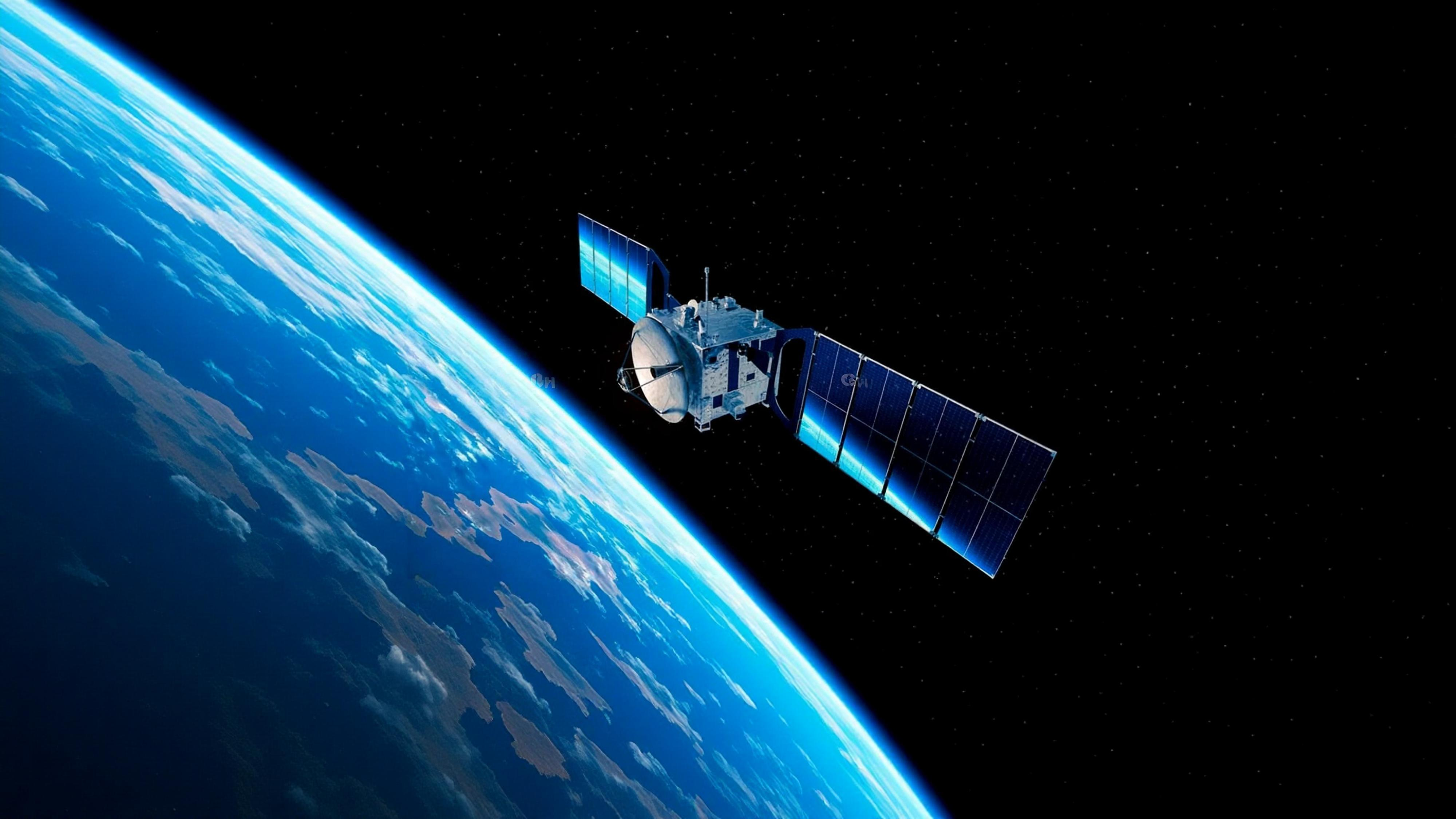
Low-altitude economy is entering the eve of scale — and the infrastructure window is opening
eVTOL, industrial UAVs, urban air mobility — the requirements for positioning precision, attitude stability, and system reliability in low-altitude aerial vehicles are just as demanding as ground-level autonomy, in scenarios that are even more complex.
National low-altitude economy policies are accelerating, airworthiness certification frameworks are being established, and the market is moving from concept to production. At this inflection point, choosing an infrastructure partner with an automotive-grade capability foundation is the key judgment call for reducing risk and accelerating mass production.
What MCT can offer for low-altitude scenarios
MCT's sensing and IMU products have completed full-temperature range certification (−40°C to 85°C) and ASIL-B/D functional safety certification. These standards apply equally to low-altitude aerial vehicle scenarios — no reliability validation from scratch needed.
GNSS signal occlusion and multipath interference in urban airspace is comparable to ground-level urban canyons. MOJANDA's precision advantage in occluded environments translates directly to the precision navigation needs of low-altitude aerial vehicles.
MCT does not bet on a single aerial platform and does not build aerial vehicles. All 'brain' companies and OEM manufacturers are MCT's potential customers.
Satellite Internet: another layer of infrastructure under construction
Low-Earth orbit satellite internet (GW, G60, and others) will provide supplemental positioning and augmentation capabilities for ground-based and low-altitude Physical AI systems. MCT's relevant products are ready, and we are establishing connections with key nodes in the supply chain.
This is MCT's strategic direction, not our current primary business. We are here because Physical AI infrastructure must ultimately cover the ground, the sky, and space.
Products designed for Low-Altitude & Satellite scenarios
Low-Altitude Economy · UAV & eVTOL (Planned H2 2026)
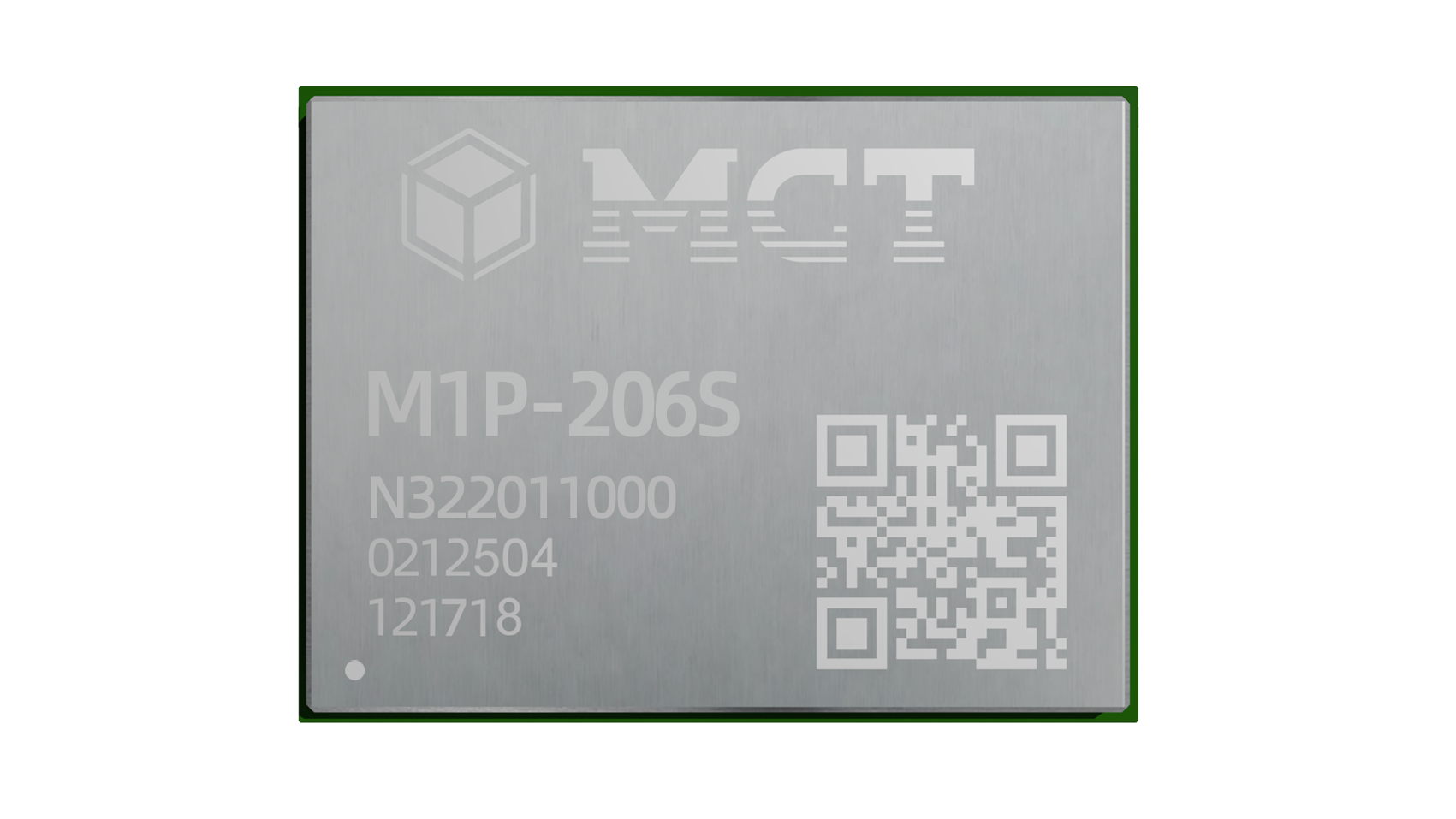
M1P-206S · Low-Altitude Dual-Band High-Precision RTK Positioning Module
GNSS occlusion and multipath interference in urban airspace is comparable to ground-level urban canyons. The M1P-206S provides RTK precision in a lightweight 12×16 mm package, with 20 Hz high-frequency output supporting aerial vehicle attitude fusion, and an integrity algorithm for real-time positioning confidence to ensure safe flight decisions.
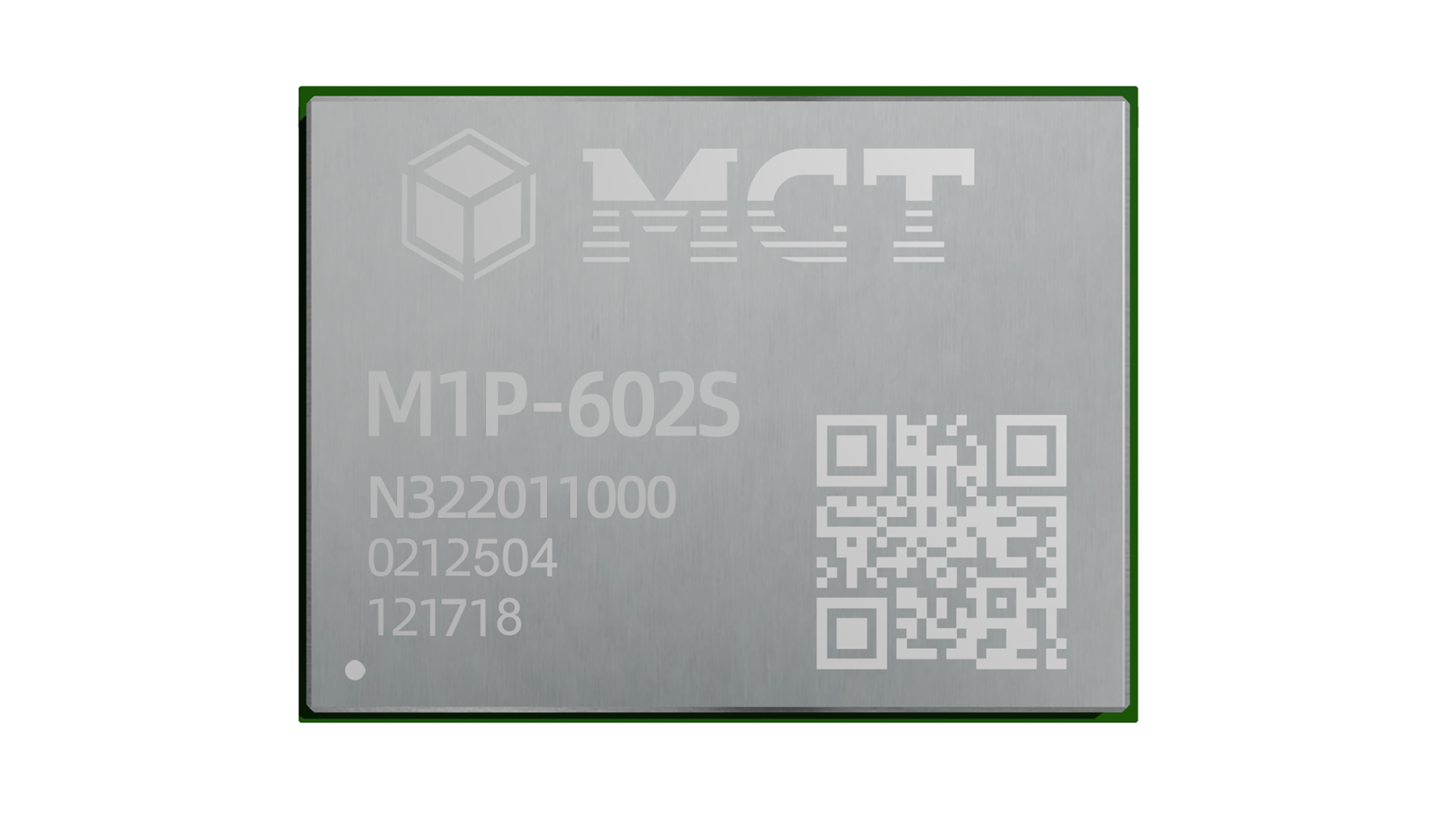
M1P-602S · Low-Altitude Dual-Antenna RTK Heading Module
'Where it is' and 'which way it faces' — solved in a single module. The M1P-602S provides centimeter-level positioning and high-precision heading in one package, with integrated magnetic interference rejection to address the unique challenges of UAV motor environments.
Commercial Space (Planned H1 2027)
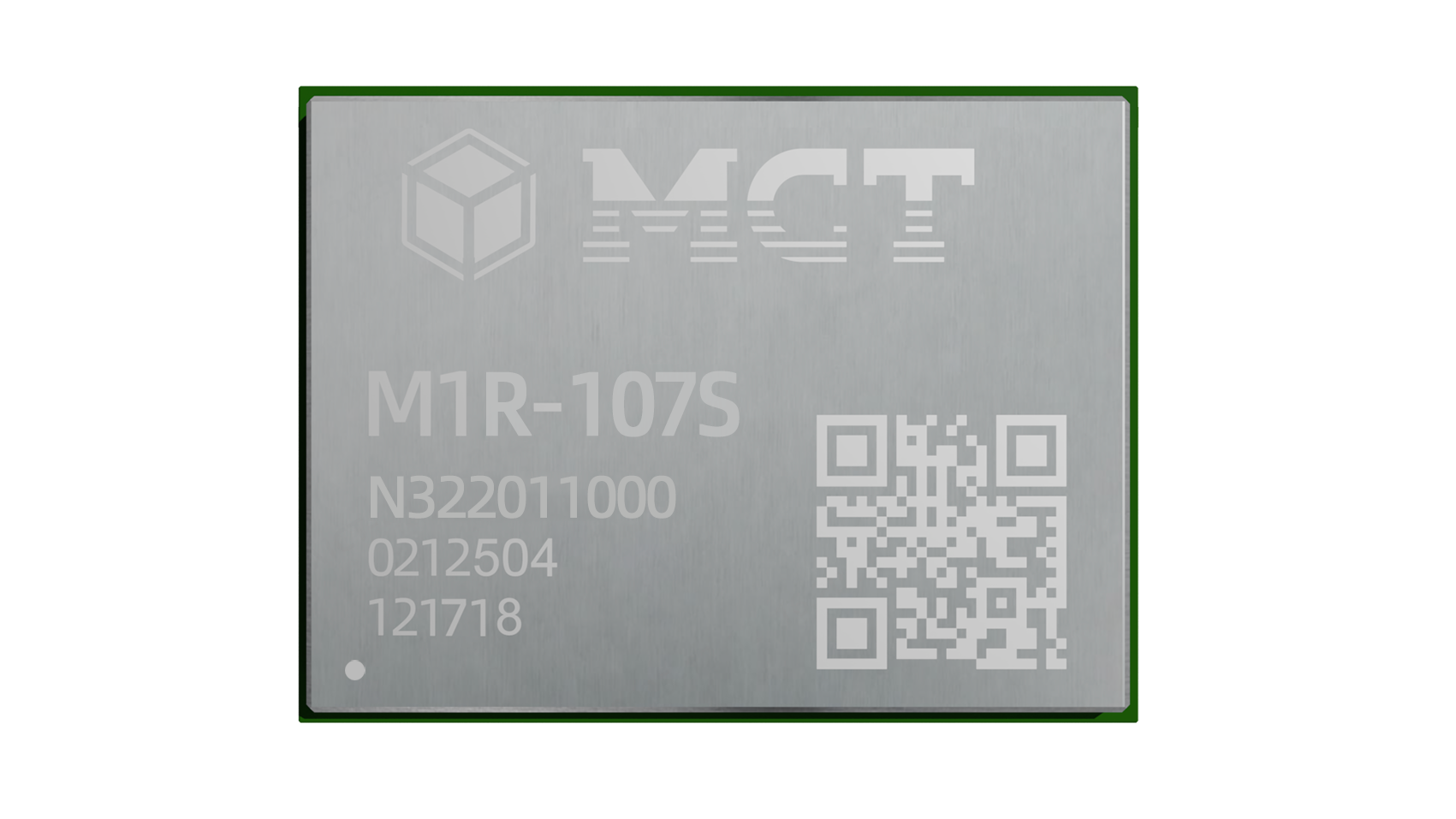
M1R-107S · Commercial Space Single-Band High-Dynamic Positioning & Timing Module
Launch vehicles and small satellites impose extreme positioning requirements: 12,000 m/s velocity, 8g acceleration, requiring 100 Hz high-frequency computation. The M1R-107S is purpose-built for these limit parameters, providing PPS 20 ns high-precision timing that can serve as an onboard time-frequency reference.
M1R-602S · Commercial Space Dual-Antenna High-Dynamic Heading Module
Rocket and satellite platforms simultaneously require high-dynamic positioning and precise attitude. The M1R-602S delivers dual-antenna heading and 100 Hz high-frequency synchronized output in extreme dynamic environments, suitable as an attitude reference for phased-array antenna pointing calibration.
Attitude Sensing (Low-Altitude & Aerospace scenarios)
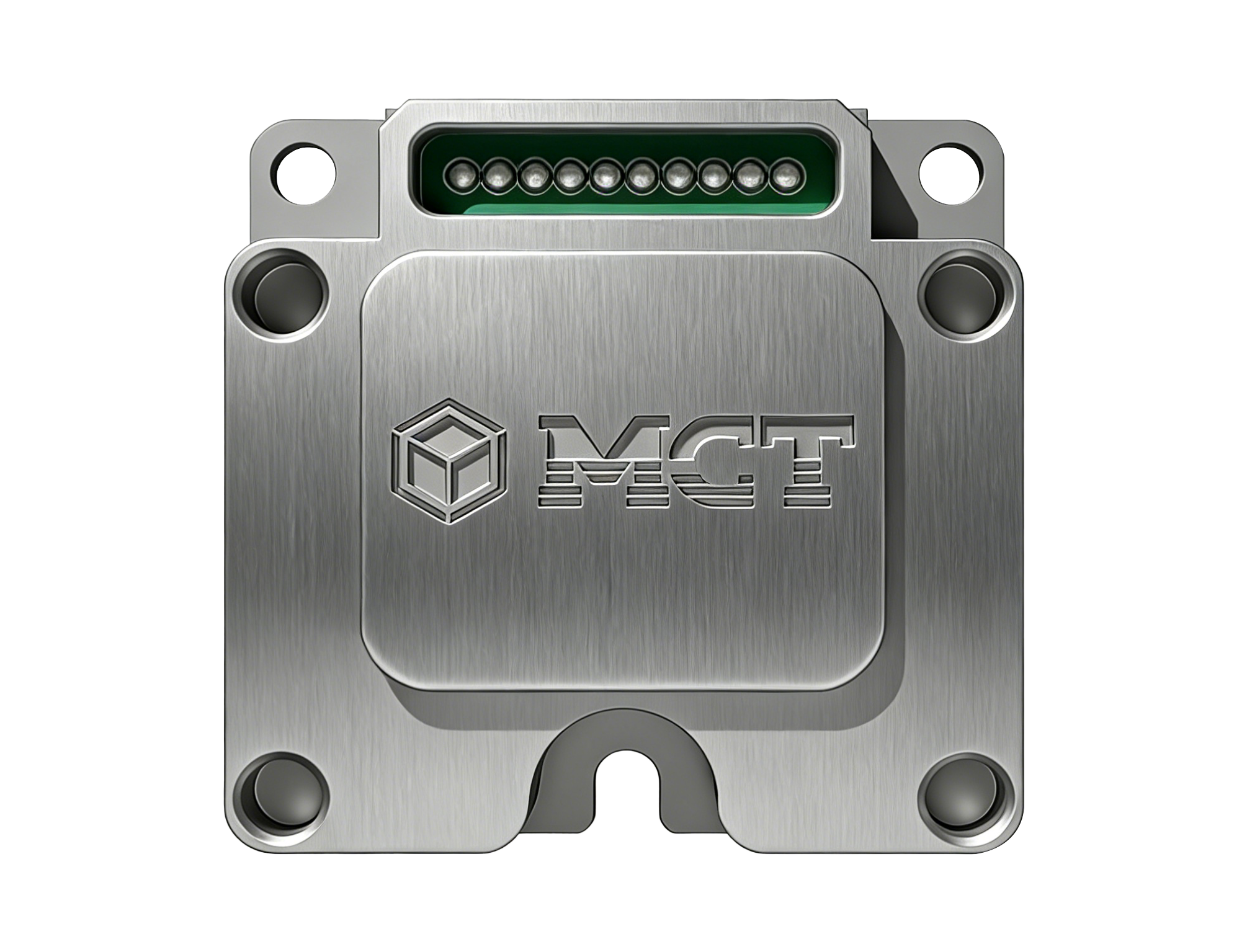
SUMACO MD / MT Series · Low-Altitude Vehicle Attitude Sensing
The IMU requirements of UAV flight controllers and eVTOL attitude control systems closely overlap with those of embodied AI robots — both need continuous precise attitude output in high-vibration, high-dynamic motion environments. The MD series (AHRS, full three-axis attitude) and MT series (VRU, vertical reference) are adaptable to low-altitude vehicle flight-controller fusion solutions.
Developer Evaluation Kit

M1K EVK AUTO
Triple-band reception delivers greater stability in obstructed environments and under strong ionospheric conditions. Wide operating temperature handles high-altitude and extreme outdoor scenarios. Suited for rapid positioning validation in UAVs, eVTOLs, and low-altitude payloads.
Download the datasheet for full specifications, or contact us for product selection guidance.
The low-altitude infrastructure window is opening
Airworthiness certification frameworks are being established, urban air corridor pilots are landing — low-altitude economy is moving from policy to production faster than expected. MCT has completed its low-altitude dedicated product lineup ahead of time, and is now looking for OEM manufacturers and system integrators who want to complete their infrastructure selection before this wave breaks.